How long does a construction estimate take?
How long does a construction estimate take? The answer depends on the project’s size, complexity, documentation, number of trades, and level of detail required. Simple residential projects may take a few hours to several days, while complex commercial tenders can take several weeks. This guide explains what affects construction estimate turnaround time, why complete project information matters, and how clear pricing assumptions can help Australian builders make more informed decisions. It also explores how BuildHawk’s construction estimating services can support a more structured and transparent estimating process.

BuildHawk
Founder · BuildHawk and Hawktress
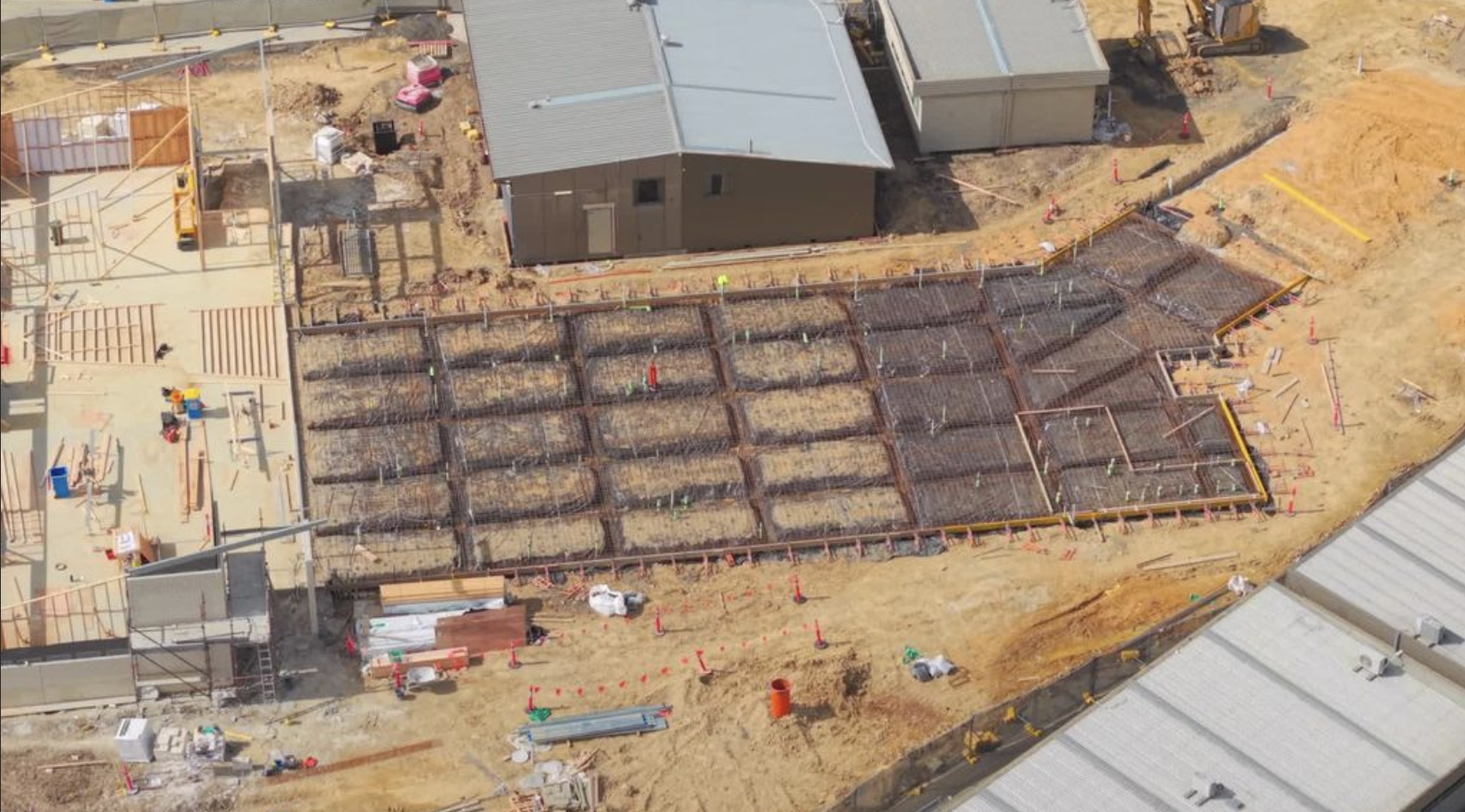
Summarized answer: A construction estimate can take anywhere from a few hours to several weeks, depending on the project's size, complexity, documentation, number of trades, and level of detail required. A straightforward residential project may be estimated relatively quickly, while a large commercial tender can require significantly more time to review drawings, complete quantity takeoffs, obtain supplier and subcontractor pricing, and verify costs.
Overview
The time required for a construction estimate depends on what is being estimated and how much information is available.
- Simple projects: May be estimated within a few hours to a few days.
- Medium-sized projects: Often require several days for detailed review and pricing.
- Complex commercial projects: May take one to several weeks, particularly when multiple trades and subcontractors are involved.
- Detailed tenders: Can take longer because quantities, specifications, supplier prices, subcontractor quotes, and project requirements need to be reviewed.
- Incomplete information: Missing drawings, unclear scope, outdated documents, and changing specifications can significantly extend the turnaround time.
The key is not simply getting an estimate quickly. It is getting an estimate that is sufficiently detailed, transparent, and based on current project information.
Why construction estimating time matters
When you're planning a construction project, one of the first questions you may have is, “How long does a construction estimate take?”
It is a reasonable question.
A project may have a tender deadline approaching, a client waiting for a price, or a development budget that needs to be finalised. If the estimate takes longer than expected, other decisions can also be delayed.
At the same time, rushing an estimate simply to meet an arbitrary deadline can introduce risks.
Construction estimating involves much more than multiplying quantities by prices. An estimator needs to interpret drawings, understand specifications, measure work, research costs, assess labour requirements, review subcontractor pricing, and consider project-specific conditions.
The right balance is therefore efficient estimating without sacrificing accuracy and transparency.
How long does a construction estimate usually take?
There is no universal timeframe because every construction project is different.
A simple project with complete drawings and a clearly defined scope can potentially be estimated within a short period. More complicated projects require considerably more analysis.
As a general guide:
- Simple residential projects: A few hours to several days.
- Medium-sized projects: Several days to around one or two weeks.
- Complex commercial projects: One to several weeks.
- Large or highly detailed tenders: Several weeks or longer, depending on requirements and deadlines.
These are general ranges rather than fixed industry rules.
How long it takes to prepare a construction estimate largely depends on the information available and how detailed the final estimate needs to be.
What affects construction estimate turnaround time?
Several factors can influence how quickly an estimator can complete a project.
Project size and complexity
A small renovation with a limited number of trades is generally easier to estimate than a large commercial development.
A larger project may involve:
- Multiple building levels
- Numerous trades
- Complex structural systems
- Specialised equipment
- Extensive mechanical and electrical services
- Detailed finishes
- Multiple subcontractors
- Complex site conditions
Each additional component can add work to the estimating process.
Quality of project documentation
Documentation has a major effect on turnaround time.
If an estimator receives complete, current drawings and specifications, they can begin reviewing the project with greater confidence.
If documents are incomplete or inconsistent, additional time may be needed to clarify the scope and identify what information is missing.
This is why clients asking how quickly can a construction estimate be completed should consider the quality of the information they provide, not just the estimator's workload.
Quantity takeoffs
Quantity takeoffs can represent a significant part of the estimating process.
The estimator may need to measure and quantify concrete, steel, walls, flooring, roofing, doors, windows, fixtures, services, and other components.
A basic project may have a relatively straightforward takeoff. A complex project may require thousands of individual measurements or line items.
Number of trades involved
The number of trades can also influence the estimating timeline.
A project involving only a few major trades can be relatively straightforward. A commercial project could require pricing across numerous disciplines.
The estimator may need to coordinate information for:
- Earthworks
- Concrete
- Structural steel
- Carpentry
- Roofing
- Plumbing
- Electrical
- Mechanical services
- Fire services
- Flooring
- Painting
- Landscaping
The more trades involved, the greater the amount of information that needs to be reviewed and priced.
Why does a construction estimate take so long?
A construction estimate can take longer than expected because estimating requires detailed analysis rather than simply entering numbers into software.
An estimator may need to:
- Review the project documentation
- Understand the scope
- Check drawings and specifications
- Complete quantity takeoffs
- Research material costs
- Calculate labour requirements
- Request supplier or subcontractor pricing
- Review plant and equipment requirements
- Account for project-specific conditions
- Check calculations and assumptions
- Compile the final estimate
- Review the completed estimate for omissions or inconsistencies
If any of these stages requires additional clarification, the overall turnaround can increase.
How incomplete information creates uncertainty
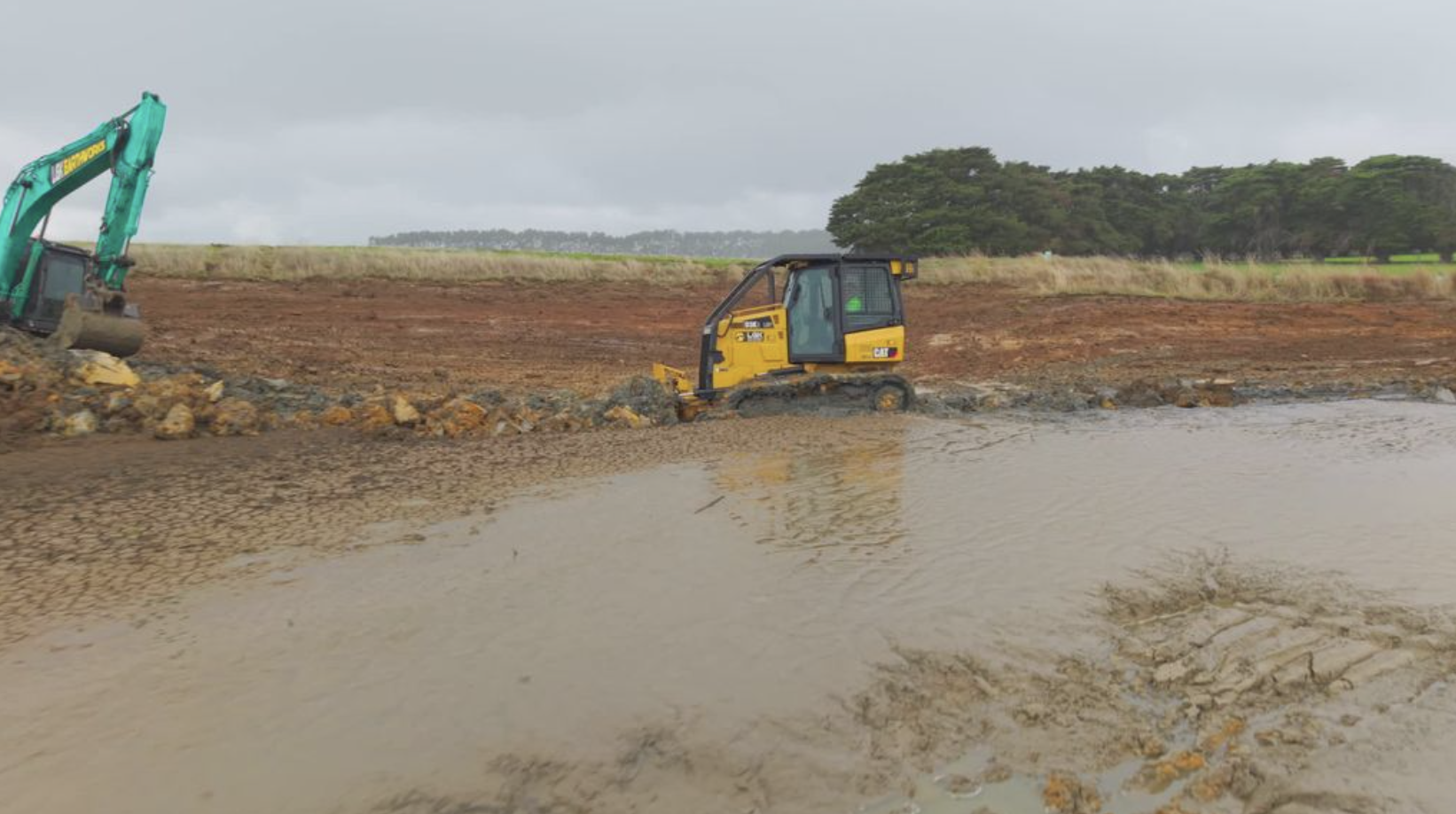
One of the biggest pain points for contractors and clients is not necessarily that estimating takes too long. It is that they may not know how long the estimate will remain useful.
Construction prices change. Project designs change. Labour availability changes. Supplier quotes expire.
This means an estimate should not be treated as a permanent price.
An estimate is typically based on the information, assumptions, and market conditions available when it was prepared.
For example, a material price quoted today may change before procurement. Similarly, if the design is revised after the estimate is completed, the original figures may no longer accurately represent the project.
How long is a construction estimate valid?
There is no single validity period that applies to every construction estimate.
The useful life of an estimate depends on factors such as:
- Material price volatility
- Labour market conditions
- Supplier quote validity periods
- Project location
- Changes in project design
- Changes in scope
- Expected construction start date
This is why a good estimate should clearly communicate its assumptions and the date or pricing basis used.
The solution: make estimate longevity clear
Instead of leaving clients wondering whether an estimate is still reliable, construction businesses can make estimate longevity and assumptions explicit.
This can be done by including an estimate summary that clearly identifies:
- Estimate preparation date
- Pricing date or pricing basis
- Supplier quote expiry dates
- Key assumptions
- Project inclusions and exclusions
- Known provisional costs
- Items requiring confirmation
- Conditions that could cause the estimate to change
This gives everyone a clearer understanding of what the numbers mean.
For example, instead of simply presenting a total project cost, an estimate can explain that certain supplier prices are based on quotes valid for a specific period and that significant design changes may require the estimate to be updated.
This approach helps prevent an old estimate from being mistaken for a guaranteed future construction price.
How BuildHawk helps with construction estimating in Australia
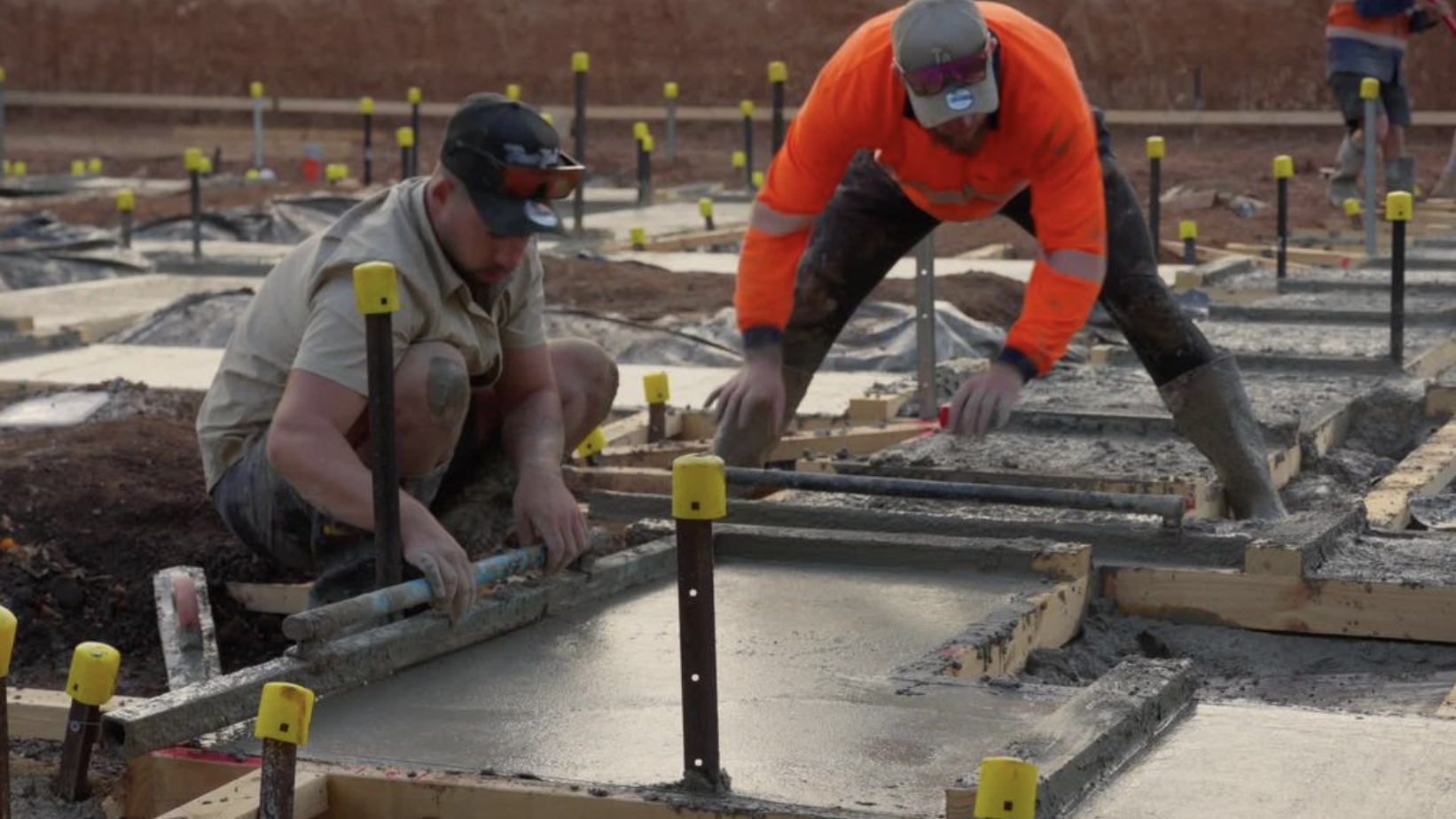
For Australian builders, contractors, developers, and construction businesses, having professional estimating support can make it easier to manage both turnaround times and expectations.
BuildHawk offers construction estimating services in Australia, helping businesses work through project information and develop structured cost estimates.
A professional estimating process can help identify what information is available, what assumptions are being made, and which costs may need further confirmation.
BuildHawk can also help address the uncertainty surrounding estimate longevity by making the basis of an estimate clearer. Rather than treating a project total as a fixed number indefinitely, businesses can better understand the conditions behind that figure.
This is particularly useful when an estimate is being used for tendering, budgeting, project feasibility, or planning.
The objective isn't simply to produce an estimate as quickly as possible. It is to provide useful cost information that stakeholders can understand and act on.
How to speed up the construction estimating process
If you're trying to reduce the time required for an estimate, start by improving the information provided to the estimator.
A well-organised project package can reduce unnecessary back-and-forth and allow the estimator to spend more time actually analysing the project.
Consider providing:
- Current drawings
- Complete project specifications
- A clearly defined scope of work
- Relevant schedules
- Site information
- Known material selections
- Project location
- Target construction timeframe
- Available supplier quotes
- Available subcontractor information
It is also useful to communicate the purpose of the estimate. An early feasibility estimate has different requirements from a detailed tender estimate.
How long does a quantity takeoff take?
The time required for a quantity takeoff varies according to the project's size, complexity, drawing quality, number of trades, and level of detail required.
A simple project may have a relatively quick takeoff, while a large commercial development can require substantially more time.
The takeoff also needs to be checked. Speed is less useful if quantities are missed or incorrectly measured.
Residential versus commercial estimating timelines
Residential construction estimates
A residential estimate can often be completed faster when the project has a straightforward design, limited trades, and complete documentation.
However, large custom homes, renovations, extensions, and architecturally complex properties can require considerably more estimating work.
Commercial construction estimates
Commercial estimates tend to involve more documentation, trades, quantities, subcontractors, specifications, and project requirements.
As a result, a commercial construction estimate often takes longer to prepare than an estimate for a simple residential project.
Commercial tenders may also have strict submission deadlines, making early preparation especially important.
What information does a construction estimator need?
A construction estimator generally needs enough information to understand the project's scope, quantities, specifications, site conditions, and costs.
This may include:
- Current architectural and engineering drawings
- Project specifications
- Scope of work
- Schedules
- Site information
- Material requirements
- Labour requirements
- Supplier pricing
- Subcontractor pricing
- Construction timeframe
Providing complete information early can reduce delays and improve the reliability of the estimate.
Frequently asked questions
How long does a construction estimate take?
A construction estimate can take anywhere from a few hours to several weeks. Simple projects may be completed quickly, while complex commercial projects can require weeks of detailed takeoffs, pricing, subcontractor quotes, and review.
How long does it take to get a construction estimate?
It depends on the project and the information available. A straightforward project with complete documentation may have a shorter turnaround, while complex projects require more time for quantity takeoffs, pricing, and verification.
How long does a construction estimator take to prepare an estimate?
The time varies based on project size, complexity, documentation, and the level of detail required. An estimator may complete a simple estimate within days, while a complex tender may require several weeks.
What factors affect construction estimate turnaround time?
Major factors include project size, complexity, number of trades, quality of drawings, quantity takeoff requirements, availability of supplier and subcontractor quotes, site conditions, and the desired level of estimating detail.
How long does a residential construction estimate take?
A straightforward residential estimate may take a few hours to several days. Larger custom homes, renovations, and projects with complex designs may take longer.
How long does a commercial construction estimate take?
A commercial estimate can take several days to several weeks, depending on the size and complexity of the project. Detailed commercial tenders often require extensive quantity takeoffs and pricing across multiple trades.
How long does a construction cost estimate take?
A construction cost estimate may take anywhere from a few hours to several weeks. The timeframe depends on whether the estimate is preliminary or detailed and how much project information is available.
How long does a quantity takeoff take?
A quantity takeoff can take from several hours to multiple days or longer. The project's size, number of trades, drawing complexity, and required level of detail all influence the timeframe.
Why does a construction estimate take so long?
Estimating involves reviewing documentation, measuring quantities, researching costs, calculating labour, obtaining subcontractor and supplier pricing, considering project conditions, and checking the final figures. Complex projects naturally require more time.
What information does a construction estimator need?
An estimator typically needs current drawings, specifications, scope information, quantities or enough information to complete a takeoff, site details, project schedules, material requirements, labour information, and relevant supplier or subcontractor pricing.
Final thoughts
So, how long does a construction estimate take? There isn't one answer that applies to every project.
The important thing is to understand what drives the timeline and what makes an estimate reliable. Project complexity, documentation, quantities, pricing, subcontractors, and site conditions can all affect how long the process takes.
Just as importantly, an estimate should clearly communicate its pricing basis, assumptions, and expected longevity. This helps prevent outdated or conditional figures from being mistaken for guaranteed construction costs.
For businesses in Australia, BuildHawk provides construction estimating services designed to help make the estimating process more structured, transparent, and practical.
A faster estimate can be useful. But a clear, well-supported estimate that stakeholders understand is far more valuable.
References
Australian Institute of Quantity Surveyors. (n.d.). What is quantity surveying? https://www.aiqs.com.au/
Written by
BuildHawk
Founder · BuildHawk and Hawktress
Related articles
See all
How to create a construction project cost plan
Creating a construction project cost plan gives builders a structured way to understand, organise and monitor expected project costs. From defining the scope and reviewing drawings to calculating quantities, pricing materials and labour and accounting for allowances and contingencies, a well-prepared cost plan provides greater visibility over the budget as the project develops. This article explains how to create a construction project cost plan, what information and costs to include, common mistakes to avoid and how BuildHawk’s construction estimating services can support Australian builders with budgeting, tendering and project planning.
Construction cost planning vs cost estimating
Understanding the difference between construction cost planning and cost estimating can help Australian builders make better-informed financial and project decisions. Cost planning provides an ongoing framework for keeping a project aligned with its budget as the design and scope develop, while cost estimating focuses on calculating the expected cost of a defined scope of work. This article explains how the two processes work together, when each is used and why proper cost planning matters. It also explores how BuildHawk’s construction estimating services can provide Australian builders with additional cost information and estimating capacity for tendering, budgeting and project planning.