In-house vs outsourced construction estimating
Choosing between in-house and outsourced construction estimating can be a significant decision for growing Australian builders. While an in-house estimator provides direct control and consistent availability, outsourced construction estimating can offer greater flexibility when tender volumes fluctuate or internal teams become overloaded. This article explores the differences, costs, benefits and potential drawbacks of both approaches and explains when outsourcing may make sense. It also looks at how BuildHawk’s outsourced construction estimating services can help Australian builders access additional estimating capacity when they need it.

BuildHawk
Founder · BuildHawk and Hawktress
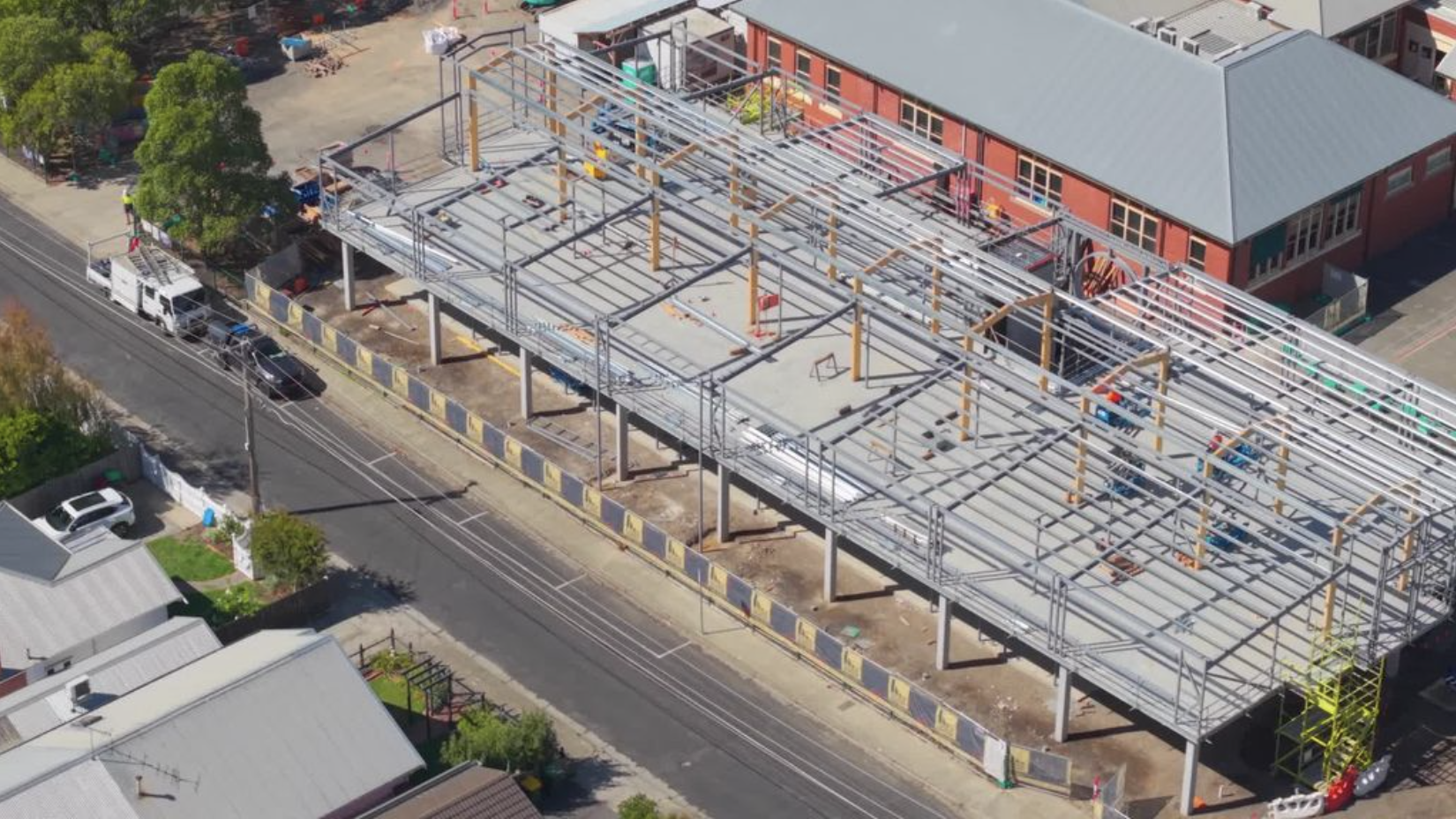
Deciding between in-house and outsourced construction estimating services can be difficult among many builders. As a construction business grows, estimating can become one of the biggest demands on an internal team. More tenders mean more drawings to review, quantities to calculate, costs to research and deadlines to meet.
The choice is usually between hiring and maintaining an internal estimator or working with an external estimating provider.
Neither option is automatically better. The right approach depends on your workload, budget, project pipeline, internal expertise and how much flexibility your business needs.
For many Australian builders, however, the unseen advantage of outsourced construction estimating is flexibility. Instead of maintaining estimating capacity that may not always be needed, builders can access additional support when workloads increase.
Overview
In-house estimating gives builders direct control over their estimating team, processes and day-to-day workflow. Outsourced estimating provides access to external estimating expertise and flexible capacity without the same ongoing staffing commitment. For builders with fluctuating tender volumes, tight deadlines or limited internal estimating resources, outsourcing can be a practical and cost-effective solution. BuildHawk provides outsourced construction estimating services to builders and contractors across Australia.
What is the difference between in-house and outsourced construction estimating?
The main difference is who performs the estimating work.
With in-house construction estimating, the builder employs an estimator or estimating team directly. The estimator becomes part of the company's internal operations and works closely with project managers, directors, procurement teams and other employees.
With outsourced construction estimating, the builder engages an external estimator or estimating company. The external provider handles an agreed scope of estimating work and delivers the results back to the builder.
Both approaches can cover similar tasks, including:
- Quantity takeoffs: Measuring materials and other quantities from project drawings
- Material estimating: Identifying required materials and calculating associated costs
- Labour estimating: Estimating labour requirements and costs
- Subcontractor pricing: Allowing for specialist trades and subcontracted work
- Tender estimating: Preparing cost information for competitive tenders
- Estimate review: Checking estimates for potential omissions or inconsistencies
The key difference is how the estimating resource is structured within the business.
How in-house construction estimating works
An in-house estimator is a permanent part of your business.
They may be responsible for reviewing new tender opportunities, preparing estimates, communicating with suppliers and subcontractors, maintaining pricing information and working with management on tender submissions.
This model can work particularly well for builders with a consistently high volume of estimating work.
Because the estimator is already embedded in the business, they can become familiar with the company's preferred suppliers, pricing methods, project types, margins and internal processes.
However, that permanent capacity comes with ongoing costs and responsibilities.
The business needs to recruit the right person, provide salary and benefits, manage performance, provide equipment and software and maintain the position even when the tender pipeline slows down.
How outsourced construction estimating works
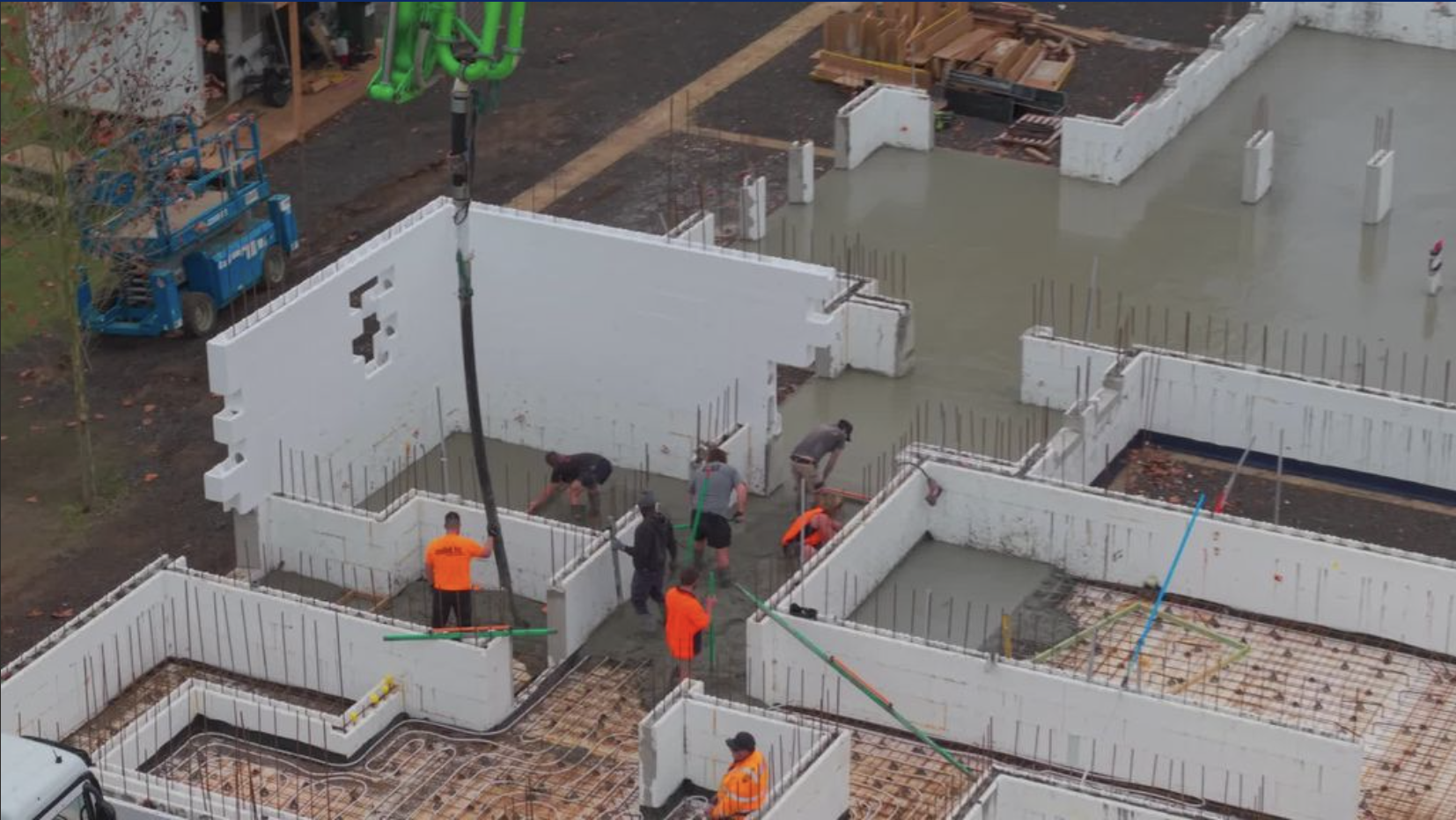
Outsourcing follows a different model.
Instead of hiring an estimator as a permanent employee, the builder engages an external estimating provider for specific projects, tasks or periods.
The builder supplies relevant project documentation, such as drawings, specifications, schedules and scope information. The external estimator then completes the agreed estimating work and provides the results for review.
The scope can be flexible.
A builder might outsource only quantity takeoffs for certain projects. Another might outsource the complete estimate for selected tenders.
This makes outsourcing particularly useful when estimating demand is inconsistent.
For example, a builder might have a quiet period followed by several tenders arriving at once. Hiring a permanent employee solely to handle those peak periods may not make financial sense.
An outsourced estimator can provide additional capacity when it is actually needed.
What are the benefits of in-house construction estimating?
There are several reasons a builder may prefer to keep estimating internally.
Direct control
Having an internal estimator gives management direct oversight of the estimating process and allows the business to establish its own procedures.
Business familiarity
An experienced internal estimator can become deeply familiar with the company's preferred suppliers, typical projects, pricing history, margins and expectations.
Easy communication
Because the estimator works within the business, communication with directors, project managers, procurement staff and other employees can be straightforward.
Consistent availability
An in-house estimator is generally available during the company's normal working hours and can work continuously on internal priorities.
Long-term knowledge
Over time, an internal estimator can develop valuable knowledge about the company's estimating history and commercial approach.
For businesses with a large and consistent estimating workload, these advantages can make an internal team worthwhile.
What are the disadvantages of in-house construction estimating?
The main challenge is that an internal estimator represents an ongoing business commitment.
Potential disadvantages include:
- Higher fixed costs: Salaries, benefits, software, equipment, training and other employment costs can add up.
- Recruitment challenges: Finding an experienced construction estimator can take time.
- Limited capacity: One estimator can only handle so many projects at once.
- Staff absence: Leave, illness or employee turnover can temporarily reduce estimating capacity.
- Workload fluctuations: You may still pay for permanent estimating capacity during quieter periods.
- Training requirements: New employees need time to learn your processes and project requirements.
This does not make in-house estimating a bad option. It simply means builders need to consider whether the workload consistently justifies the investment.
What are the benefits of outsourced construction estimating?
Outsourcing offers a different set of advantages, particularly around flexibility.
Flexible estimating capacity
This is one of the biggest advantages that can be overlooked.
You do not necessarily need the same amount of estimating support every week or month. Outsourcing allows you to increase support when your tender pipeline grows.
Reduced staffing commitment
You can access estimating support without immediately taking on another permanent employee.
Additional expertise
An experienced external estimator can provide specialist estimating support without requiring your business to build every capability internally.
Support during busy periods
When multiple tenders arrive at once, outsourced estimating can help relieve pressure on your internal team.
More time for core responsibilities
Delegating detailed estimating work can allow builders and internal staff to focus on project delivery, clients, business development and other priorities.
Scalable support
The level of external support can potentially change as your workload changes.
This flexibility is one of the often-overlooked advantages of outsourced construction estimating. The value is not simply that someone else prepares an estimate. It is that your business can access estimating capacity without having to permanently carry all of that capacity internally.
What are the disadvantages of outsourced construction estimating?
Outsourcing is not perfect for every business.
Potential challenges include:
- Less direct oversight: An external provider operates outside your organisation.
- Communication requirements: Clear instructions and documentation are important.
- Provider selection: The quality of the result depends partly on the capability of the estimating provider.
- Business familiarisation: An external estimator may need time to understand your preferred processes and expectations.
- Review responsibility: Builders should still review estimates and make their own commercial decisions.
These challenges can be reduced by selecting an experienced provider, clearly defining the scope, supplying complete project information and maintaining good communication.
In-house vs outsourced construction estimating: Which is more cost-effective?
If you’re wondering if outsourced construction estimating is more cost-effective, this cannot be answered simply by comparing an estimator's fee with an employee's salary.
The true cost of an in-house estimator includes more than wages.
Depending on the employment arrangement, a business may also need to account for:
- Salary and employment benefits
- Recruitment costs
- Software and technology
- Training and professional development
- Office space and equipment
- Leave and employee absence
- Management and administration
- Periods of lower estimating demand
Outsourcing changes this cost structure. Instead of maintaining permanent capacity, the builder pays for an agreed estimating service.
That can make outsourcing attractive when demand fluctuates.
For a business with a consistently large estimating workload, maintaining an internal estimator may make more sense. For a business with unpredictable or seasonal demand, outsourced support may provide better flexibility.
How much does in-house construction estimating cost?
There is no universal cost because the total expense depends on the estimator's experience, location, employment structure, project requirements and additional business overheads.
The important point is to calculate the total employment cost, rather than looking only at base salary.
A senior estimator with extensive experience may command a higher salary, but they may also bring significant value to a business with a heavy and consistent workload.
Conversely, hiring a permanent estimator may be difficult to justify if the business only needs substantial estimating support occasionally.
How much does outsourced construction estimating cost?
The cost of outsourced construction estimating varies depending on the project and scope.
Factors that can influence pricing include:
- Project size: Larger projects generally require more estimating work.
- Project complexity: Complex scopes can require more detailed analysis.
- Documentation: The quality and completeness of drawings and specifications can affect the workload.
- Scope: A quantity takeoff will differ from a comprehensive project estimate.
- Turnaround: Urgent requirements may affect the resources needed.
- Project type: Different construction projects can require different estimating approaches.
Instead of asking only, ‘How much does outsourced construction estimating cost?’, builders should ask what is included in the service and whether it addresses their actual estimating bottlenecks.
When should a builder outsource construction estimating?
So, when should a builder outsource construction estimating?
There is no single answer, but outsourcing may make sense when:
- Tender volumes are increasing: Your team cannot comfortably manage every opportunity.
- Deadlines are becoming difficult: Estimates are regularly being completed under pressure.
- Your estimator is overloaded: Internal staff are struggling to keep up with demand.
- You need temporary capacity: A short-term increase in tender opportunities does not justify permanent recruitment.
- You want to pursue more work: Your estimating capacity is limiting the number of tenders you can submit.
- You have limited internal expertise: Your business needs specialist estimating support.
- You want greater flexibility: You prefer resources that can scale with your workload.
This is where asking ‘Should I outsource my construction estimating?’ becomes more useful than simply asking whether outsourcing is good or bad.
Look at the specific problem your business is trying to solve.
Is outsourced construction estimating better than in-house estimating?
For some businesses, yes. For others, no.
The better option depends on your circumstances.
In-house estimating may be preferable when your business has a consistently high volume of estimating work, needs an estimator available every day and has the resources to support a permanent position.
Outsourcing may be preferable when your workload changes frequently, you need additional tender capacity or you want access to estimating expertise without expanding your permanent team.
There is also a third option: use both.
A builder can maintain an internal estimator while outsourcing overflow work during busy tender periods. This hybrid approach can provide internal control while adding flexibility when demand increases.
BuildHawk: Outsourced construction estimating in Australia
For Australian builders and contractors, outsourcing does not have to mean giving up control of the estimating process.
With the right partner, it can mean adding another layer of capacity to your existing workflow.
BuildHawk provides outsourced construction estimating services across Australia, supporting builders and contractors with estimating work for their construction projects.
Whether you need help with quantity takeoffs, cost estimating, tender preparation or additional estimating capacity, outsourcing can help your business manage workloads more efficiently.
The biggest advantage may not be immediately visible.
It is not simply about removing estimating work from your team's workload. It is about creating flexible capacity.
When tender opportunities increase, you can access additional support. When demand decreases, you are not necessarily carrying the same level of permanent estimating overhead.
That flexibility can help growing builders respond to opportunities without allowing estimating demands to become a bottleneck.
Frequently asked questions
1. What is the difference between in-house and outsourced construction estimating?
In-house construction estimating is performed by employees within the builder's organisation. Outsourced construction estimating is performed by an external estimator or estimating company. Both can cover tasks such as quantity takeoffs, material pricing, labour estimating, subcontractor costs and tender preparation.
2. Is it better to use an in-house or outsourced construction estimator?
It depends on your workload and business model. In-house estimating can suit businesses with consistent estimating demand, while outsourcing can provide greater flexibility for businesses with fluctuating workloads or limited internal capacity.
3. What are the benefits of in-house construction estimating?
The benefits include direct management, consistent availability, close communication with internal teams and the opportunity for the estimator to develop detailed knowledge of the company's processes, suppliers, projects and commercial approach.
4. What are the benefits of outsourced construction estimating?
Benefits can include flexible capacity, reduced permanent staffing commitments, access to external expertise, support during busy tender periods and more time for internal teams to focus on other business responsibilities.
5. What are the disadvantages of in-house construction estimating?
Potential disadvantages include ongoing employment costs, recruitment challenges, limited capacity during peak periods, employee absence, training requirements and the cost of maintaining permanent estimating capacity during quieter periods.
6. What are the disadvantages of outsourced construction estimating?
Potential disadvantages include the need for clear communication, less direct day-to-day oversight, the importance of choosing a capable provider and the need for builders to review estimates before making final commercial decisions.
7. Is outsourced construction estimating cheaper than hiring an in-house estimator?
It can be, particularly when a business does not have enough consistent estimating work to justify a permanent employee. However, cost depends on the project scope, provider, workload and the total cost of maintaining an internal estimator.
8. How much does outsourced construction estimating cost?
There is no standard price. Costs can vary according to project size, complexity, documentation, estimating scope, project type and turnaround requirements. Builders should compare the complete service and deliverables rather than price alone.
9. How much does an in-house construction estimator cost?
The cost depends on the estimator's experience, salary, employment benefits, recruitment, software, equipment, training and other overheads. The total employment cost is therefore higher than salary alone.
10. When should a builder outsource construction estimating?
A builder should consider outsourcing when estimating workloads increase, tender deadlines become difficult to meet, internal estimators are overloaded or the business needs additional capacity without committing to another permanent employee.
Final thoughts
The choice between in-house and outsourced construction estimating is ultimately a question of capacity, cost, control and flexibility.
An in-house estimator can be an excellent investment for a business with a consistently high volume of estimating work. But when workloads fluctuate, outsourcing can provide something that is easy to overlook: the ability to scale estimating support around the needs of the business.
That flexibility can help builders take on more tender opportunities without automatically increasing permanent staffing commitments.
If your estimating workload is becoming a bottleneck, consider which parts of the process are consuming the most time and whether external support could solve the problem.
For builders and contractors across Australia, BuildHawk provides outsourced construction estimating services designed to help businesses access the estimating capacity they need, when they need it. If your team is looking to take on more tenders, reduce estimating workload or improve your project pricing process, get in touch with BuildHawk today and see how our estimating support can help with your next project.
References
Australian Building Codes Board. (2022). National Construction Code 2022. https://www.abcb.gov.au/
Australian Bureau of Statistics. (2024). Building activity, Australia. https://www.abs.gov.au/
Australian Institute of Quantity Surveyors. (n.d.). Quantity surveying. https://www.aiqs.com.au/
Fair Work Ombudsman. (n.d.). Building and construction. https://www.fairwork.gov.au/
Written by
BuildHawk
Founder · BuildHawk and Hawktress
Related articles
See all
How to create a construction project cost plan
Creating a construction project cost plan gives builders a structured way to understand, organise and monitor expected project costs. From defining the scope and reviewing drawings to calculating quantities, pricing materials and labour and accounting for allowances and contingencies, a well-prepared cost plan provides greater visibility over the budget as the project develops. This article explains how to create a construction project cost plan, what information and costs to include, common mistakes to avoid and how BuildHawk’s construction estimating services can support Australian builders with budgeting, tendering and project planning.
Construction cost planning vs cost estimating
Understanding the difference between construction cost planning and cost estimating can help Australian builders make better-informed financial and project decisions. Cost planning provides an ongoing framework for keeping a project aligned with its budget as the design and scope develop, while cost estimating focuses on calculating the expected cost of a defined scope of work. This article explains how the two processes work together, when each is used and why proper cost planning matters. It also explores how BuildHawk’s construction estimating services can provide Australian builders with additional cost information and estimating capacity for tendering, budgeting and project planning.